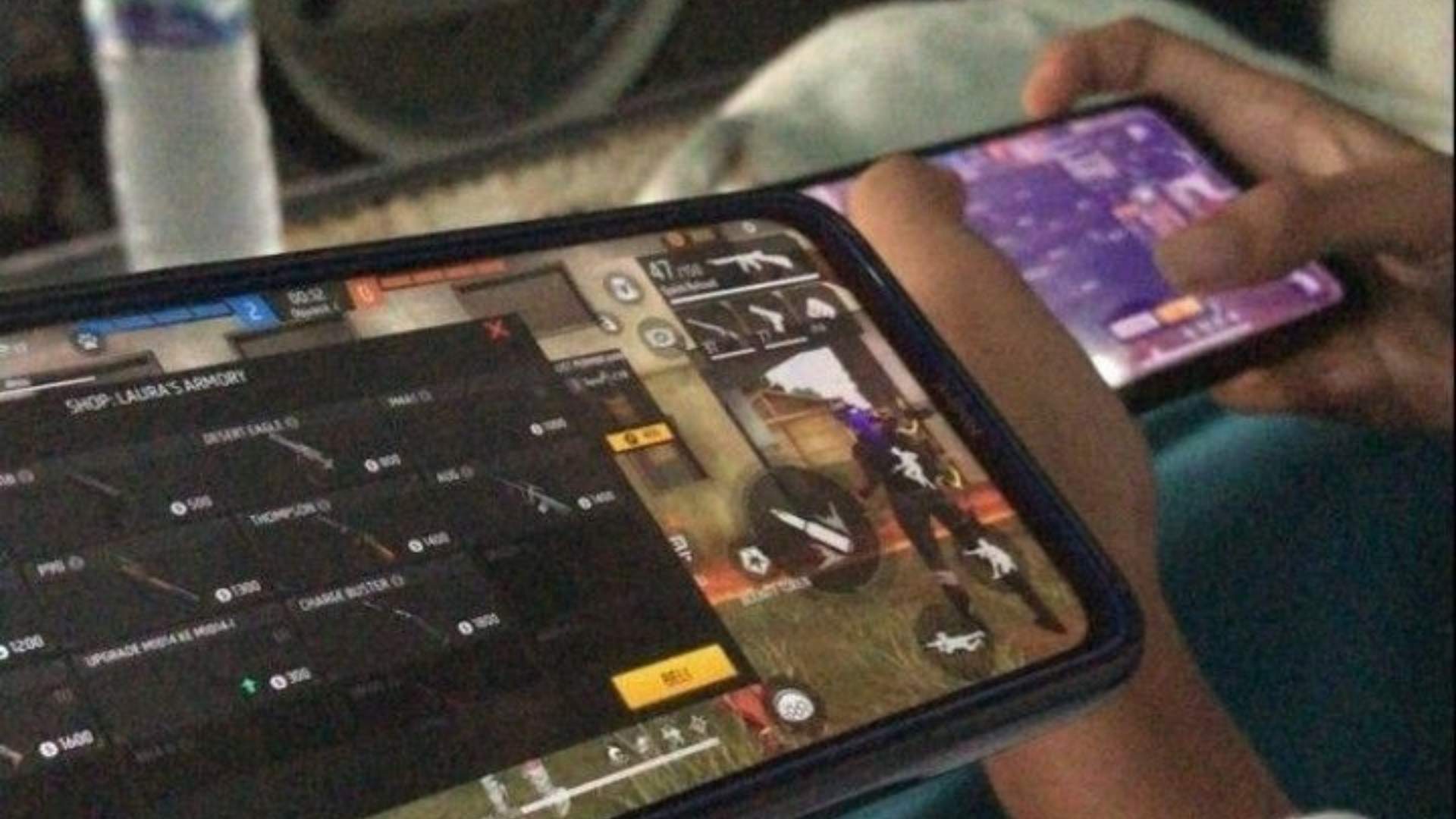
The modern digital landscape has witnessed a significant transformation in how players engage with multiplayer gaming. Rather than relying solely on quick reflexes, modern audiences are increasingly drawn to experiences that demand deep intellectual engagement and cooperative planning. This shift has elevated tactical titles into a highly popular genre where success depends on collective strategy and adaptable execution.
The Evolution of Real-Time Strategy
In the early days of online gaming, matches were often determined by individual mechanical skill and speed. Today, complex virtual environments require participants to analyze battlefield dynamics and coordinate their movements in real time. This evolution ensures that strategic thinking is just as valuable as fast reaction times during intense encounters.
Furthermore, developers are continuously introducing dynamic mechanics that challenge groups to adapt to changing conditions. To explore platforms that support these evolving gaming interests, players can utilize the m88 asia login hub to access diverse online options. Engaging with these modern systems allows communities to experience structured challenges designed to enhance competitive coordination.
Enhancing Team Coordination and Communication
Successful execution in tactical multiplayer games relies heavily on clear communication among team members. Distributed roles ensure that every participant contributes a unique capability to the group objective, making isolation a definitive disadvantage. Teams must constantly share information regarding resource allocation, defensive positioning, and offensive timing to maintain an upper hand.
This high level of dependency fosters strong social connections and builds advanced problem-solving skills within the community. Over time, players learn to anticipate the actions of their peers, resulting in seamless execution during high-stakes matches. The collaborative nature of these environments transforms individual efforts into a unified tactical force.
Digital Environments and Player Engagement
Modern developers leverage sophisticated design elements to keep competitive landscapes feeling fresh and highly immersive. Regular updates, seasonal objectives, and interactive maps provide communities with continuous reasons to refine their strategies. These dynamic elements ensure that no two matches unfold in the exact same manner, maintaining long-term replay value.
Ultimately, the popularity of interactive tactical gameplay highlights a growing desire for meaningful, mind-engaging entertainment. As technology continues to advance, the boundaries of cooperative digital strategy will undoubtedly expand further. Players can look forward to even more complex systems that test the absolute limits of team coordination.