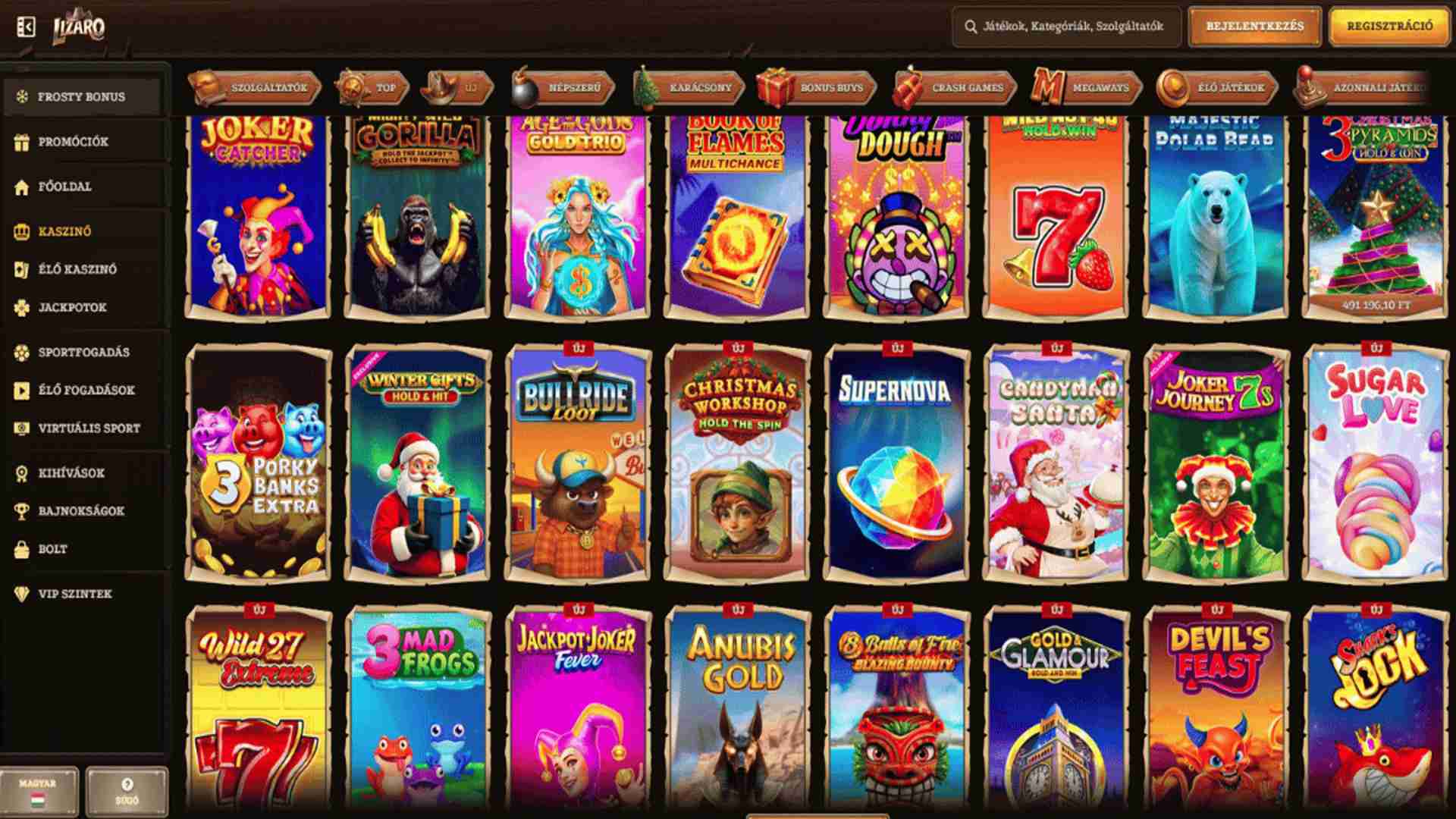
The digital age has ushered in a remarkable era where online arcade games have become a primary source of vibrant entertainment for millions of players. These modern platforms move far beyond the pixelated constraints of the past, offering sophisticated visual experiences that rival high-end console productions.
The Evolution of Digital Art Styles
Modern developers are increasingly utilizing advanced rendering techniques to create breathtaking environments within standard web browsers. These techniques allow for a level of detail and color depth that was once reserved for expensive gaming hardware.
By blending traditional 2D aesthetics with modern lighting effects, creators have developed a unique visual language for the arcade genre. This fusion ensures that every session feels fresh, engaging, and visually stimulating for players of all ages.
Artistic innovation in this space often involves the use of high-contrast palettes and neon-infused designs that pay homage to classic arcade halls. These choices are specifically intended to capture the player's attention and create a sense of high-energy excitement.
Psychology of Color in Interactive Media
The strategic use of color in online arcades is not merely a stylistic choice but a powerful tool for enhancing player engagement. Vibrant hues are often used to highlight important game mechanics and guide the user through complex levels.
For those looking to explore these immersive digital environments, accessing a reliable portal like the M88 Msports Login provides a gateway to high-quality interactive content. These platforms prioritize both visual fidelity and smooth performance for a seamless gaming experience.
Cooler tones are frequently employed in strategy-based arcades to create a focused atmosphere that encourages calm decision-making. In contrast, warm colors like red and orange are used to signal intensity and fast-paced action moments.
Technological Foundations of Modern Visuals
The rise of powerful web technologies like WebGL has fundamentally changed how textures and animations are displayed online. This evolution allows for complex particle systems and fluid character movements that enhance the overall sense of adventure.
Cloud-based processing further supports these visual leaps by handling heavy graphical data off-site, reducing the load on the user's local device. This ensures that even players on older smartphones can enjoy stunning animations without experiencing significant lag.
Responsive design also plays a critical role in maintaining visual consistency across different screen sizes and orientations. Developers must carefully balance high-resolution assets with efficient loading times to keep the gameplay loop uninterrupted.
Future Directions for Visual Innovation
Emerging trends suggest that future online arcade adventures will integrate more dynamic lighting and shadows to create deeper immersion. These enhancements will likely bridge the gap between simple browser games and immersive virtual realities.
Procedural generation is another exciting frontier that allows for an infinite variety of colorful landscapes to be created on the fly. This means that no two gaming sessions will ever look exactly the same for the player.
As web standards continue to mature, the potential for creative storytelling through visual art will only expand. We are likely to see even more experimental art styles that challenge our perceptions of what an arcade game can be.